Define the priorities
Separate essential equipment from other loads and explain what continuity means for your operation.
From a workspace to a growing operation, a useful energy conversation starts with your equipment, working hours and priorities.
Explore your starting pointA practical starting point. Share what you know, ask what matters and confirm the details before committing.
Separate essential equipment from other loads and explain what continuity means for your operation.
Provide your location, available space and existing equipment so the project can be discussed in context.
Confirm equipment, quantities, project responsibilities and commercial terms in a written proposal before committing.
YOUR CONTEXT MAKES A DIFFERENCE.You do not need to know every answer. Share what you can, and include the questions you would like to resolve.
Which equipment is essential during working hours?
What are your operating hours and peak-use periods?
Do you have existing solar, storage or other power equipment?
Who should be involved in reviewing the project requirements?
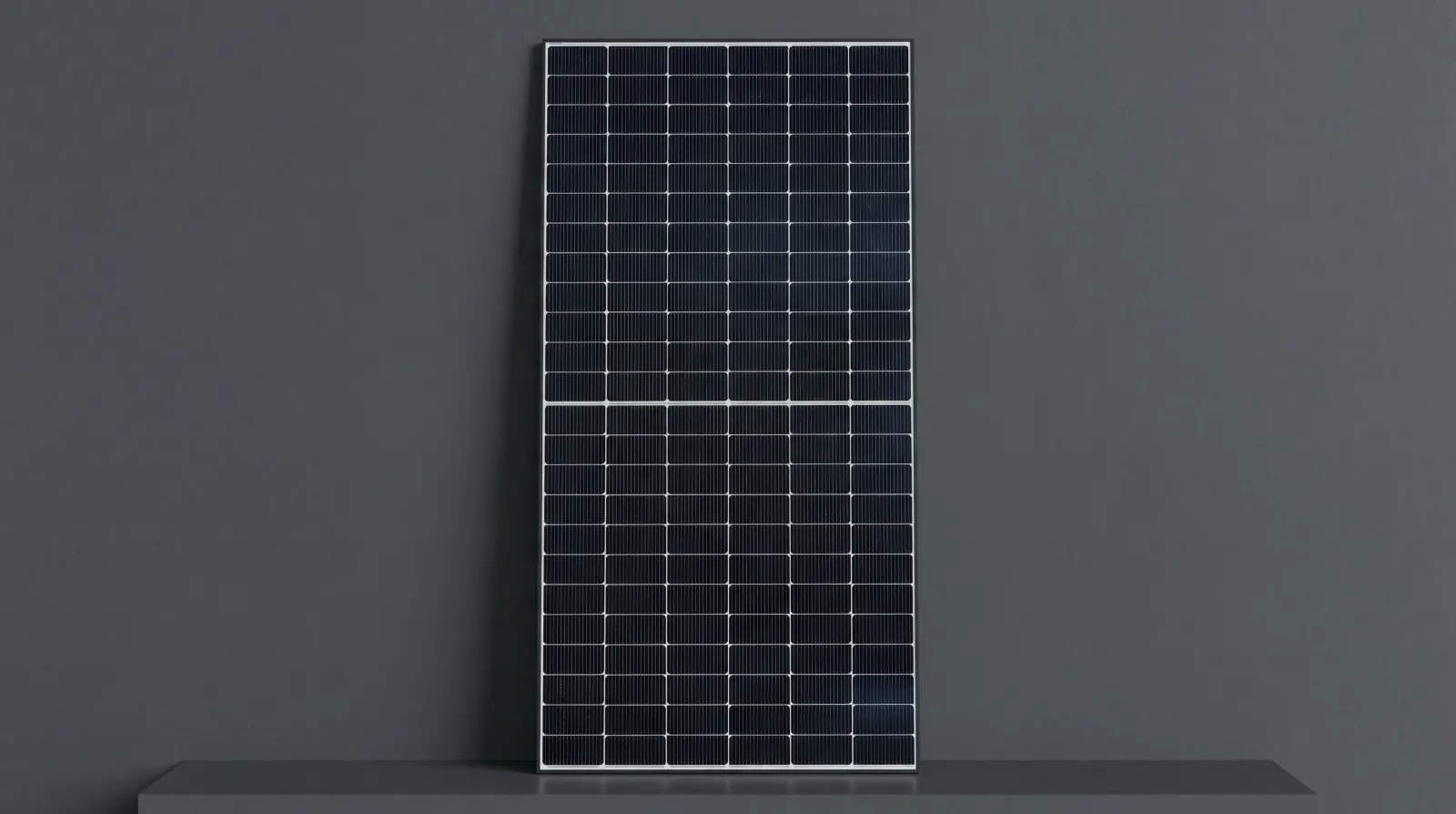
Solar panels turn sunlight into electricity. The right choice depends on available space, the rest of your system and the output you need.
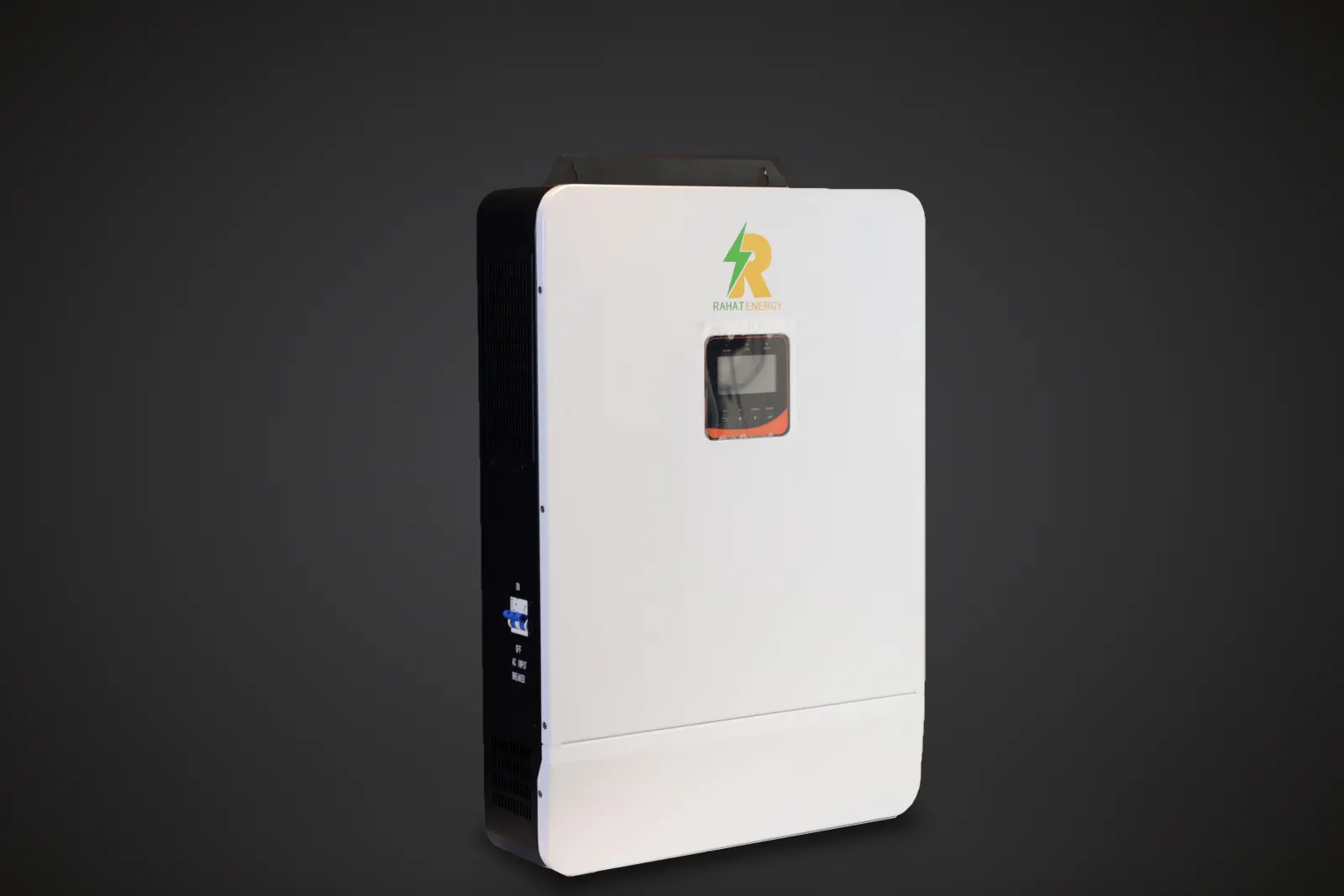
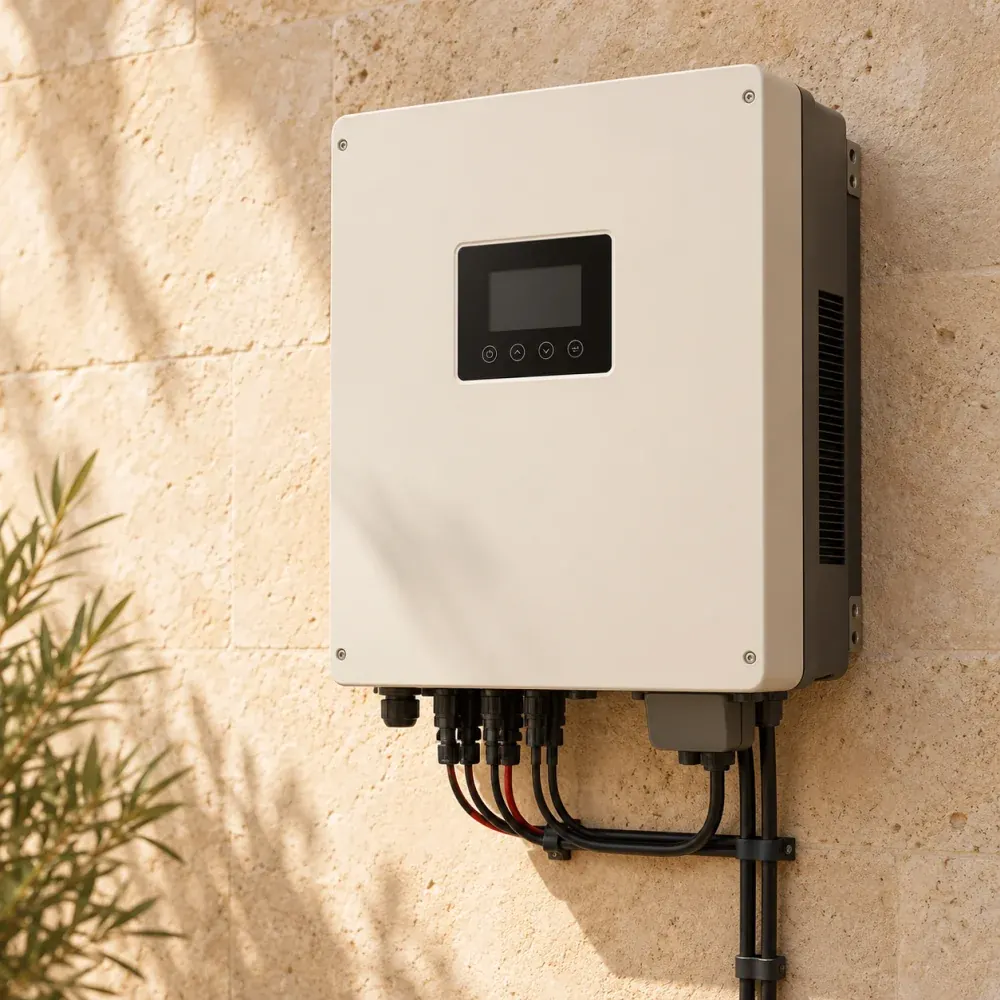
An inverter converts electricity into a form your appliances can use. Selecting one starts with understanding your loads and how it will work with panels, batteries and any existing supply.
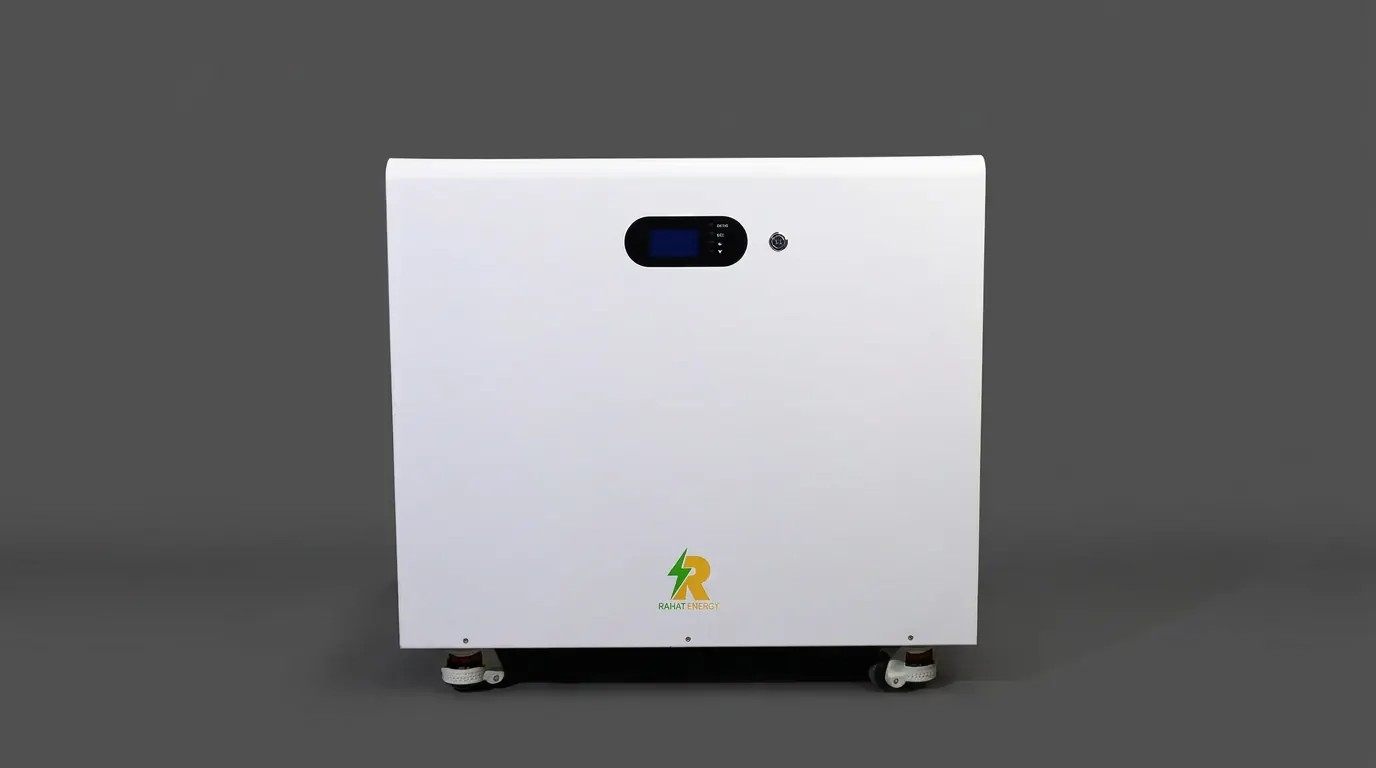
A battery stores energy for later use. Usable capacity and the way a battery works with your inverter matter as much as the product name.
Explore the categories, then confirm the exact equipment, ratings and compatibility for your project.
Tell us about your space, your priorities and what you have in mind.
Confirm equipment, specifications, pricing, project scope and any delivery or installation arrangements in writing before committing.